
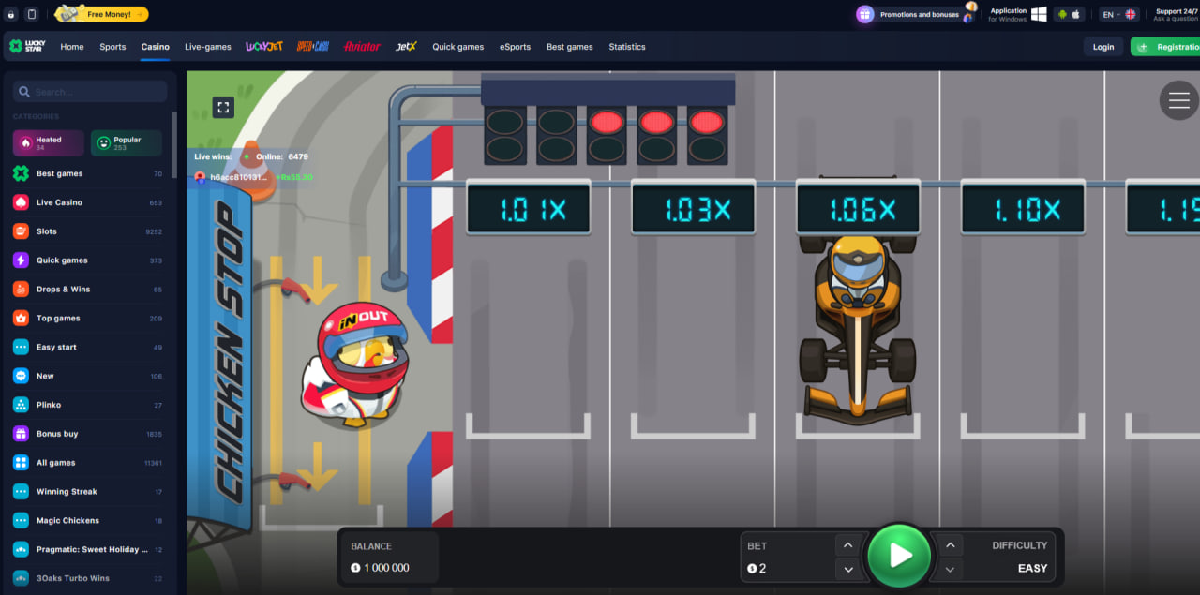
Feathers and Speed: The Exciting World of Chicken Road Racing
Welcome to the quirky and entertaining world of chicken road racing, a unique sport that combines humor, competition, and the unexpected agility of our feathered friends. In recent years, chicken racing has gained popularity, captivating audiences around the globe with its amusing premise and the sheer unpredictability of the outcomes. If you’ve ever watched a chicken in your backyard, you might be surprised at the thrill of watching them race. For a deeper dive into this phenomenon, visit chicken road race chickenroadrace.online for all the latest insights!
What is Chicken Road Racing?
At its core, chicken road racing is a lighthearted competitive event where chickens are trained and conditioned to race against each other over a set distance. These races often take place in a variety of settings, ranging from rural fairs to organized events where locals gather to cheer on their favorite racers. The sport emphasizes more than just speed; it also weighs heavily on the personalities of the chickens, their handlers, and the spectators who bond over the festivities.
The History of Chicken Racing
Chicken racing has a rather humorous and somewhat obscure history. Although it’s difficult to pinpoint exact origins, accounts suggest that races might date back to ancient civilizations where poultry were used in various forms of entertainment. Over time, the practice evolved into the wacky spectacle we see today.
In the United States, chicken races began to gain traction in the 1970s, primarily in rural communities. These events were often tied to local festivals, where families would enjoy a day of food, games, and of course, races. As the internet began to emerge, chicken racing found a new platform for promotion, leading to its evolution into more organized competitions.
Preparing the Racers
Training chickens for racing involves more than merely putting them on a track and timing their sprint. Breeders and handlers dedicate considerable time and effort to prepare their feathered contenders for the big day. First, it starts with selecting the right breed—certain breeds, such as the Rhode Island Reds or Leghorns, are known for their speed and agility.
The training regimen includes elements like:
- Nutrition: A proper diet is essential to ensure the chickens are healthy and energetic. Handlers often provide high-quality feed and supplements specifically designed for racing.
- Physical Conditioning: Just like athletes, chickens require physical training. Handlers create obstacle courses to help their birds build endurance and agility, preparing them for the rigors of the race.
- Familiarization with the Track: Introducing the chickens to the racing environment is crucial. Handlers often practice on the track to familiarize their birds with the layout and any potential distractions.
The Race Day Experience
On race day, excitement fills the air as spectators gather to witness the spectacle unfold. The atmosphere is lively, complete with food stalls, game booths, and local vendors. Before the race begins, participants often parade their chickens, showcasing their unique features and personalities. Some chickens have colorful feathers, while others boast impressive sizes or striking features.
Once the races commence, the tension builds as the audience anticipates the start. Handlers line up on the starting line, holding their birds with careful anticipation. When the signal is given, the chickens are released, and the crowd erupts into cheers and laughter as they dash down the track with many unpredictable twists and turns.
The Thrill of the Competition
Despite their sometimes lackadaisical demeanor, chickens can surprise everyone with bursts of unexpected speed. The thrill lies not just in who crosses the finish line first, but in the entire atmosphere of camaraderie and celebration. Spectators often root for particular chickens, casting silly bets and exchanging playful banter as the races unfold.
Winning races can lead to bragging rights for handlers, and some events even offer trophies and prizes, turning the races into a more serious competition. These quaint events highlight the unique bond between humans and their feathered companions, showcasing that behind every athlete is a dedicated handler.
The Future of Chicken Road Racing
As chicken road racing continues to grow in popularity, one can’t help but wonder what the future holds for this unique sport. With the rise of social media platforms, chicken racing has found new audiences, allowing for the sharing of exciting moments and training tips. It’s not uncommon to see videos of race highlights, training methods, and even interviews with the top racers and handlers circulating online.
Furthermore, communities are starting to organize larger events and competitions that attract more participants, sponsors, and audiences. In addition to pure racing, these events often focus on showcasing various chicken breeds, educational programs about poultry care, and raising awareness about the importance of animal welfare.

Conclusion
Chicken road racing may seem like a light-hearted pastime, but it represents a deeper connection between people and animals. It’s a reminder of the joy that can be found in competition, the laughter shared among friends and families, and the unexpected athleticism of our feathered friends. Whether you’re a seasoned chicken racing fan or a curious newcomer, the excitement of the races is sure to leave you on the edge of your seat.
So why not join in the fun? Explore local events or learn more about how you can get involved in this feathery thrill ride. After all, in the world of chicken racing, the only certainty is the laughter and joy that awaits at the finish line!

Recent Comments